Lost in Luanda’s Rhythm: Where City Beats Meet Ocean Soul
Luanda, Angola — a coastal gem few truly know. I arrived curious, left transformed. This isn’t just a capital; it’s a living pulse of color, rhythm, and resilience. From vibrant markets to sun-soaked waterfronts, Luanda reveals layers beyond postcards. It’s raw, real, and wildly beautiful. If you're seeking destinations that stir the soul, this city demands your attention. More than a travel experience, Luanda offers a human one — where music spills from open taxis, laughter echoes through alleyways, and the Atlantic breeze carries stories centuries old. For the thoughtful traveler, this is not just a place to visit, but a place to feel.
The First Impression: Stepping Into Luanda’s Energy
Arriving in Luanda is like stepping into a living mosaic of sound, scent, and motion. The city greets visitors with an embrace that is both intense and intimate. As the plane descends toward Quatro de Fevereiro International Airport, the sprawling coastline unfolds — a blend of turquoise waters, red-tiled rooftops, and clusters of modern towers rising against the sky. The first sensation upon exiting the terminal is the warmth — a thick, sun-soaked humidity that wraps around you like a familiar blanket. Then comes the rhythm: the distant beat of kizomba music, the call of street vendors, the steady hum of motorbikes weaving through traffic.
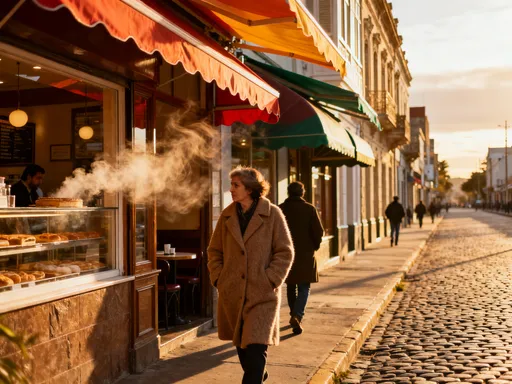
Luanda does not present itself as a curated postcard destination. Instead, it reveals itself in fragments — a woman balancing a basket of bread on her head, fishermen hauling in their morning catch at Barra do Kwanza, children playing soccer on dusty side streets. The city’s energy is palpable, a blend of colonial history and contemporary ambition. In neighborhoods like Ingombota and Maianga, colonial-era buildings stand shoulder to shoulder with sleek new developments, each telling a chapter in Angola’s evolving story. The architecture reflects resilience — walls cracked by time, balconies draped with laundry, yet always adorned with pride.
What strikes most is the authenticity of daily life. There are no artificial tourist zones here, no sanitized experiences. Visitors are not separated from the culture but immersed in it. Street food stalls serve hot pastéis de massa sovada — soft, sweet buns filled with spiced meat — while the scent of grilled fish drifts from roadside grills. Public transportation moves in informal rhythms: kombis (minibuses) packed with passengers, their routes announced by rhythmic horn patterns. This is a city that operates on its own internal logic, shaped by decades of transformation, hardship, and hope.
For travelers accustomed to structured itineraries, Luanda may feel overwhelming at first. But within that chaos lies a kind of harmony — a sense that life here is lived fully, without apology. The city does not perform for outsiders; it simply exists, vibrant and unfiltered. To walk through its streets is to witness the pulse of a nation still writing its future, one day at a time.
Waterfront Wonders: The Magic of the Marginal
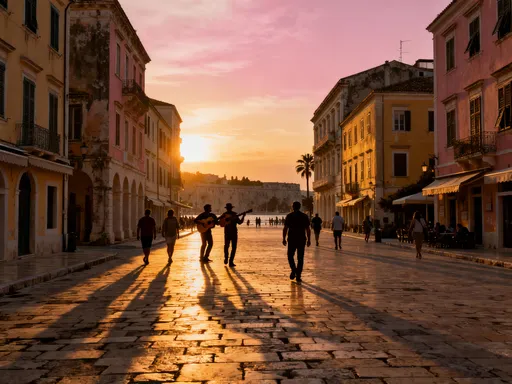
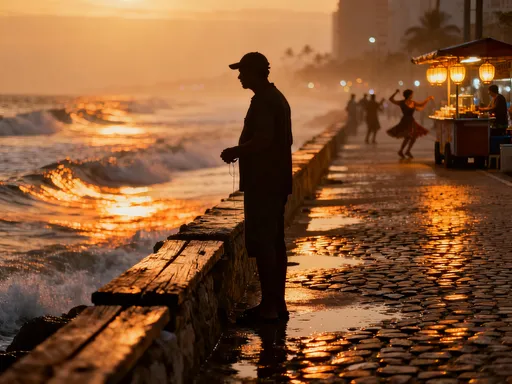
If Luanda has a soul, it breathes along the Marginal — the city’s iconic waterfront promenade that stretches for kilometers along the Atlantic coast. As the sun begins its descent, the Marginal awakens. Families spread out on benches, couples stroll hand in hand, and groups of friends gather near food kiosks, sharing plates of grilled churrasco and cold bottles of Cuca beer. The ocean breeze, steady and cool, cuts through the day’s heat, carrying with it the salt of the sea and the laughter of children chasing each other near the water’s edge.
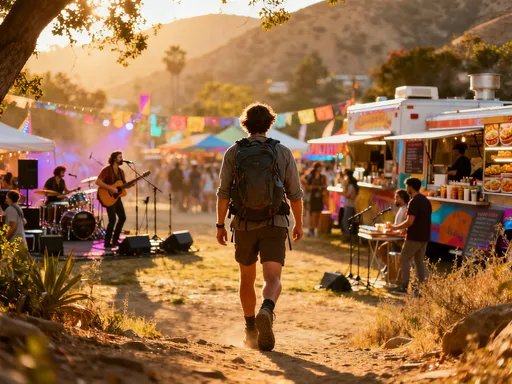
This is not just a scenic drive or a photo opportunity. The Marginal is the city’s living room, its social heart. It’s where Luandans come to unwind, celebrate, and connect. On weekends, impromptu dance circles form, filled with the smooth, sensual movements of kizomba — Angola’s most beloved dance. Musicians arrive with portable speakers, and within minutes, the pavement becomes a dance floor. There’s no stage, no admission — just pure, spontaneous joy. Even those who come alone often find themselves drawn into the rhythm, swaying to the beat as if pulled by an invisible thread.
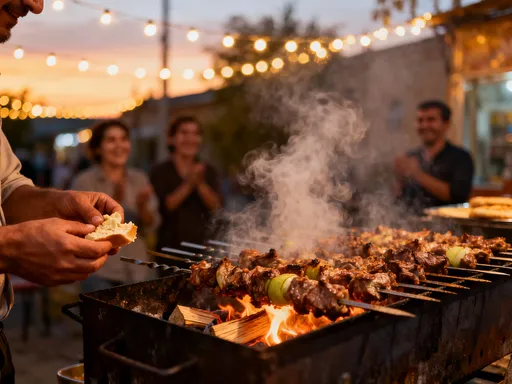
Along the route, small vendors sell everything from cold coconut water to handmade bracelets. The scent of charred meat rises from open-air grills where skewers of chicken, pork, and sausage sizzle over hot coals. Calulu — a traditional stew made with dried fish, palm oil, and vegetables — is a favorite among locals. It’s served with funge, the cassava-based staple that anchors most Angolan meals. Dining here is informal, communal, and deeply satisfying. A simple plastic stool and a paper plate are all you need to feel like part of the scene.
The Marginal also offers some of the best views in the city. To the west, the sun melts into the ocean in a blaze of orange and gold. To the east, the skyline of modern Luanda glimmers — a testament to the country’s economic growth and urban transformation. Yet even amid this development, the Marginal remains accessible to all. It is not a gated attraction or a luxury enclave, but a shared public space where every class, age, and background mingles freely. For visitors, walking the Marginal is not just a leisure activity — it’s a lesson in community, resilience, and the simple joy of being together.
Markets Alive: Roaming the Stalls of Roque Santeiro
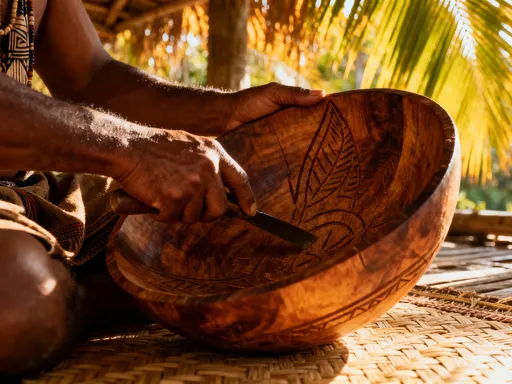
Though the legendary Roque Santeiro market was officially relocated in the 2010s, its spirit endures in the countless smaller markets that dot Luanda today. These vibrant hubs — in Sambizanga, Cassequel, and Viana — carry forward the tradition of bustling commerce, cultural exchange, and everyday resilience. Walking through one of these markets is like stepping into a living kaleidoscope: rows of brightly colored wax-print fabrics flutter in the wind, wooden stalls overflow with ripe mangoes and plantains, and hand-carved masks gaze silently from woven baskets.
Shopping here is not a transaction — it’s a conversation. Vendors greet passersby with warm smiles and playful banter. A simple “Bom dia!” can spark a five-minute exchange about the weather, the price of fish, or the latest football match. Bargaining is expected, but it’s less about winning a deal and more about building rapport. A well-timed laugh or a compliment on the quality of a fabric can go further than any haggling tactic. The market is a stage for human connection, where every interaction carries meaning.
These spaces are also repositories of culture. Artisans sell handmade jewelry crafted from recycled glass and beads, while elders offer herbal remedies wrapped in brown paper. You’ll find stacks of cassettes and CDs featuring classic semba and kuduro music — genres that have shaped Angola’s identity. The air hums with energy, a blend of music, scent, and movement. The scent of crushed mint, the tang of dried fish, the sweetness of ripe papaya — each stall offers a new sensory experience.
For travelers, visiting a local market is one of the most authentic ways to understand Luanda. It’s where the city’s resourcefulness shines — people making do, creating beauty, and sustaining livelihoods with limited resources. These markets are not tourist traps; they are essential parts of daily life. By shopping here, visitors contribute directly to local economies. More importantly, they gain insight into the values that define Angolan culture: hospitality, creativity, and perseverance.
Echoes of History: Exploring Luanda’s Colonial and Cultural Roots
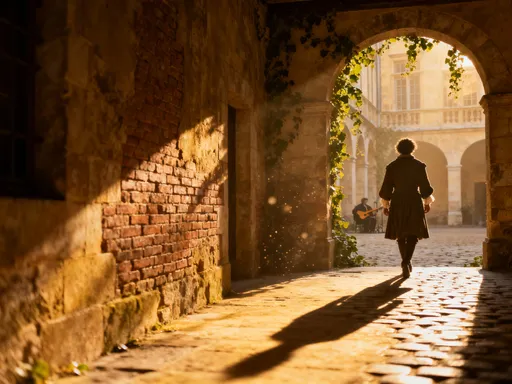
Luanda’s past is not confined to history books — it lives in the stones, streets, and stories of the city. The historic district of Cidade Baixa, nestled along the bay, is a living museum of colonial architecture and cultural memory. Here, 18th- and 19th-century buildings stand with weathered facades, their pastel-colored walls peeling under the tropical sun. Ornate iron balconies overlook narrow cobblestone lanes, where the echoes of Portuguese rule still linger in the language, cuisine, and urban layout.
At the center of this historic landscape stands the Fortaleza de São Miguel, a fortress built in 1576 to protect Portuguese interests in the region. Today, it houses the Museum of the Armed Forces, where visitors can explore Angola’s complex journey from colony to independence in 1975. The museum’s exhibits include military artifacts, historical documents, and personal accounts from the liberation struggle. Standing within the fortress walls, overlooking the vast Atlantic, one can almost hear the whispers of centuries — of trade, resistance, and transformation.
The city’s religious architecture also tells a story of cultural fusion. The Cathedral of Nossa Senhora dos Remedios, with its neoclassical façade, has stood since the 17th century, serving as a spiritual anchor through war and peace. Nearby, smaller chapels and community churches reflect the deep role of faith in daily life. Statues of colonial figures have been replaced or reinterpreted in recent years, signaling a shift toward reclaiming national identity. Street names now honor Angolan heroes like Queen Nzinga, a 17th-century ruler who resisted Portuguese expansion.
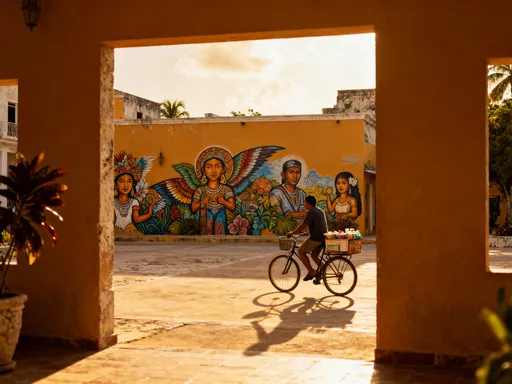
Yet history here is not static. It is debated, reshaped, and lived. In Cidade Baixa, young artists paint murals on old walls, blending traditional motifs with modern messages. Music students practice semba rhythms in courtyards once used for colonial administration. The past is not erased — it is reimagined. For travelers, walking through these neighborhoods is an invitation to witness how a nation reconciles its history while building a new future.
Taste of Angola: Flavors That Define a City
To understand Luanda, one must taste it. Angolan cuisine is a rich tapestry woven from African, Portuguese, and indigenous influences — a reflection of the country’s diverse heritage. At the heart of the table is funge, a smooth, dough-like porridge made from cassava flour, used to scoop up flavorful stews. It is humble, nourishing, and deeply symbolic — a food that unites families across generations.
One of the most iconic dishes is moamba de galinha, a hearty stew of chicken cooked in palm oil, garlic, and okra, often served with rice or funge. The deep red color comes from dendê oil, which imparts a distinctive, slightly nutty flavor. Another favorite is calulu, traditionally made with dried fish, onions, tomatoes, and eggplant, slow-cooked until the flavors meld into a savory depth. These dishes are not fast food — they are labors of love, prepared slowly, shared generously.
Street food offers a different kind of intimacy. Sachas — small, informal snack bars — pop up in neighborhoods across the city. At dusk, the smell of piri-piri chicken grilling over open flames fills the air. Fried palmadinhas — thin, crispy pastries filled with meat or cheese — are popular afternoon treats. For something sweet, vendors sell cocada, a coconut candy that melts on the tongue, or fresh slices of mango sprinkled with chili salt.
Dining in Luanda is never rushed. Meals stretch into hours, filled with conversation, laughter, and multiple rounds of food. In Miramar or Talatona, modern restaurants offer rooftop views and fusion cuisine, but the soul of Angolan food remains in the home and the street. Whether eating on a plastic stool by the roadside or at a linen-covered table, every meal is an act of connection. For travelers, sharing a plate with locals is one of the most meaningful ways to experience the city’s warmth and generosity.
Beyond the City: Coastal Escapes and Nearby Gems
While Luanda pulses with urban energy, just beyond its borders lie pockets of tranquility where the rhythm slows and the natural world takes center stage. One of the most cherished escapes is the Mussulo Peninsula — a stretch of barrier islands accessible by boat from the city. With its wide, uncrowded beaches and shallow turquoise waters, Mussulo feels like a secret kept by the Atlantic. Fisherfolk live in small coastal villages, their days shaped by the tides and the sea’s bounty.
A weekend trip to Mussulo is a journey into another dimension of Angolan life. There are no luxury resorts or commercial developments — just simple beachfront cabins, open-air grills, and children playing in the surf. Locals gather in the evenings to grill fresh fish, sing traditional songs, and dance under the stars. The pace is unhurried, the air clean, the sky unpolluted by city lights. It’s a rare opportunity to disconnect and reconnect — with nature, with others, with oneself.
Other nearby destinations include the Kwanza River estuary, where birdwatchers can spot kingfishers, herons, and flamingos, and the town of Cacuaco, known for its community-led ecotourism initiatives. These areas offer guided walks through mangrove forests, visits to local cooperatives, and opportunities to learn traditional fishing techniques. They are not designed for mass tourism, but for meaningful engagement.
For families or travelers seeking a break from the city’s intensity, these coastal retreats provide balance. They remind us that adventure doesn’t always require grand sights or elaborate plans. Sometimes, the most profound experiences come from simplicity — the sound of waves, the taste of salt on the skin, the sight of a fisherman mending his net as the sun sets. In these quiet corners, Angola reveals a different kind of beauty — one rooted in peace, presence, and community.
Traveling With Respect: Practical Insights for a Meaningful Visit
Visiting Luanda is not like visiting a conventional tourist destination. It requires openness, patience, and a willingness to engage on local terms. The cost of living in the city is high, particularly in areas frequented by expatriates, but this should not deter mindful travelers. By choosing locally owned guesthouses, eating at neighborhood restaurants, and supporting small vendors, visitors can ensure their presence benefits the community.
Language plays a key role in connection. Portuguese is the official language, and while many younger residents speak some English, learning a few basic phrases — such as “obrigada” (thank you) or “com licença” (excuse me) — can open doors and warm hearts. A smile, a respectful tone, and a genuine curiosity go a long way in building trust.
Infrastructure can be uneven — traffic congestion is common, and public services may not meet international standards. However, the warmth and resilience of the people often compensate for any logistical challenges. Hiring a local guide not only enhances understanding but also provides direct economic support. Guides can lead visitors to hidden spots, explain cultural nuances, and facilitate authentic interactions that would otherwise be difficult to access.
Safety, like in any large city, requires awareness. It’s advisable to travel in groups at night, avoid displaying valuables, and stay informed about local conditions. But fear should not dictate travel. Luanda is not a city of danger — it is a city of life. Its people are proud, welcoming, and eager to share their world with those who come in good faith.
In the end, traveling to Luanda is not about checking a destination off a list. It is about slowing down, listening closely, and allowing oneself to be moved. It is about recognizing that beauty exists not only in perfection but in authenticity — in the crack of a sun-bleached wall, the rhythm of a street drum, the shared silence of a sunset over the Marginal. To visit Luanda is to be invited into a story still unfolding. Come with respect. Leave with gratitude. And carry its rhythm with you long after you’ve gone.