You Gotta See This – Fujairah’s Wild Terrain Just Blew My Mind
If you think the UAE is all skyscrapers and malls, think again. Fujairah, tucked against the Hajar Mountains and the sparkling Gulf of Oman, is nature’s hidden playground. I went for the beaches but stayed for the jaw-dropping landscapes—rugged peaks, ancient forts, and wadis that feel like secret worlds. This isn’t just a side trip; it’s a full-on adventure. Let me show you why Fujairah’s unique terrain is a must-experience. Here, the desert gives way to emerald-green oases after rainfall, mountains rise dramatically from the coastline, and the rhythm of life follows the contours of the land. It’s a quieter, wilder, and deeply authentic side of the Emirates waiting to be discovered.
First Glimpse: A Desert Mirage No More
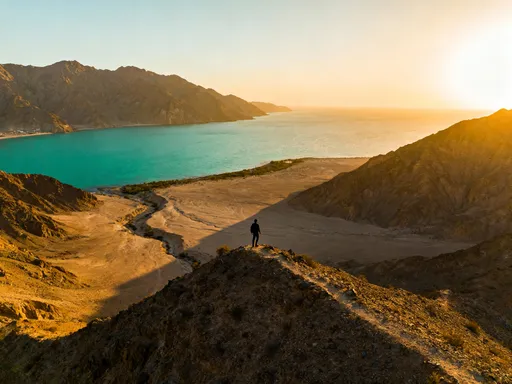
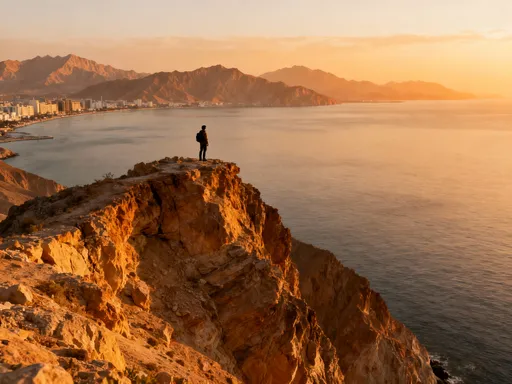
Fujairah shatters the image most travelers carry of the United Arab Emirates. While Dubai and Abu Dhabi rise from flat, sun-baked desert plains, Fujairah emerges from a dramatic collision of sea and stone. As you descend from the winding mountain passes of the Sheikh Khalifa Highway, the first sight is almost surreal: jagged peaks cloaked in ochre and rust-colored rock plunging directly into the turquoise waters of the Gulf of Oman. This is the only emirate located entirely on the eastern coast, sheltered by the formidable Hajar Mountain range, and its geography alone makes it an anomaly in the region.
The contrast with the rest of the UAE could not be more striking. While sand dunes dominate the inland west, Fujairah enjoys a unique microclimate due to its elevation and proximity to the sea. Winter rains, though infrequent, transform the landscape in astonishing ways. Barren wadis burst into life with seasonal greenery, and even the hardy acacia trees seem to stretch taller in response to the rare moisture. This greening effect, fleeting as it may be, offers a glimpse into a more temperate Arabia—one where nature thrives against the odds.
Geographically, Fujairah’s position is exceptional. Nestled within the eastern foothills of the Hajar Mountains, which stretch across the UAE and into Oman, it benefits from higher elevations that moderate temperatures year-round. This topography also means more reliable groundwater sources, supporting small-scale agriculture that is rare elsewhere in the country. Citrus orchards, banana groves, and date palms flourish in protected valleys, sustained by ancient falaj irrigation systems that have nourished communities for centuries. The terrain isn’t just scenic—it’s life-giving.
For visitors, this geographical distinction means an entirely different kind of Emirati experience. Gone are the glass towers and endless highways; in their place are winding trails, quiet villages, and a sense of remoteness that feels increasingly rare in the modern Gulf. Fujairah invites travelers to reconsider what the UAE can be: not just a hub of urban innovation, but a land of natural wonder, where mountains meet the sea and history is written in stone.
Why Terrain Matters: More Than Just Scenery
The terrain of Fujairah is not merely a backdrop—it actively shapes the way people live, work, and travel here. Unlike the flat, arid expanses of central and western UAE, Fujairah’s mountainous landscape creates cooler temperatures, especially at higher elevations. During summer months, when inland cities can soar above 45°C (113°F), Fujairah’s hills offer relief, often staying 5 to 8 degrees cooler. This makes it a natural retreat for Emiratis and expatriates alike, seeking respite from the heat without leaving the country.
Beyond comfort, the topography supports a unique ecosystem. Wadis—dry riverbeds that fill seasonally—act as natural reservoirs, capturing rare rainfall and channeling it through underground aquifers. These water sources have historically sustained human settlement, enabling agriculture in areas where it would otherwise be impossible. Today, visitors can see this legacy in small farms growing mangoes, limes, and vegetables, often sold at roadside stands or local souqs. The presence of water also supports biodiversity, including native birds, reptiles, and hardy desert plants adapted to rocky slopes.
For travelers, this terrain translates into unparalleled outdoor opportunities. Hiking, mountain biking, and off-road adventures are not just possible—they are central to the Fujairah experience. The varied elevation offers trails for all fitness levels, from gentle walks through palm-lined valleys to strenuous climbs up sheer rock faces. Eco-tourism is growing, with guided nature walks, birdwatching excursions, and conservation-focused visits to protected areas. The landscape encourages slow travel, inviting guests to disconnect from urban pace and reconnect with nature.
Even leisure activities are shaped by geography. Beaches here are often nestled between rocky outcrops, creating sheltered coves ideal for snorkeling and diving. The underwater topography, influenced by volcanic rock formations, supports coral reefs teeming with marine life. Meanwhile, the mountains provide natural windbreaks, making camping and stargazing particularly rewarding. In every way, Fujairah’s terrain enhances the travel experience, offering not just views, but immersive, multisensory engagement with the natural world.
Wadi Wonders: Nature’s Hidden Rooms
Among Fujairah’s most enchanting features are its wadis—natural sanctuaries carved by time and water into the heart of the mountains. Wadi Siji and Wadi Showka stand out as two of the most accessible and visually stunning. These are not just dry gullies; they are living landscapes, especially after seasonal rains, when pools of freshwater collect in smooth stone basins, shaded by overhanging cliffs and dotted with hardy vegetation. To walk through them is to step into another world—one of quiet, cool air, the sound of trickling water, and rock walls rising like cathedral walls on either side.
Wadi Siji, in particular, offers a perfect blend of adventure and accessibility. The lower section is suitable for families, with shallow pools ideal for wading and safe swimming. As you move deeper, the terrain becomes more challenging, with boulders to scramble over and narrow passages to navigate. The sense of discovery is palpable—each bend reveals a new pool, a hidden waterfall, or a sun-drenched ledge perfect for resting. Local guides often accompany visitors, ensuring safety and sharing knowledge about the ecosystem, from the types of rock to the seasonal patterns of water flow.
Wadi Showka, though less visited, rewards those who make the journey. Located further inland, it features a series of cascading pools connected by natural rock slides and small waterfalls. During the cooler months, it’s common to see families picnicking on the banks, children laughing as they jump into the cool water, and photographers capturing the interplay of light and shadow on the canyon walls. The sense of privacy is remarkable—despite growing popularity, these wadis remain relatively untouched, preserving their wild character.
Visiting wadis requires preparation. The best time is between October and April, when temperatures are mild and the risk of flash floods is low. Sturdy footwear with good grip is essential, as rocks can be slippery. Visitors should carry plenty of water, wear sun-protective clothing, and avoid visiting after heavy rains, when sudden flooding can occur. Most importantly, respect for the environment is crucial. Littering, disturbing wildlife, or carving into rock formations harms these fragile ecosystems. By traveling responsibly, visitors help preserve these natural wonders for future generations.
Mountain High: Hiking the Hajar Range
The Hajar Mountains are the backbone of Fujairah’s wilderness, offering some of the most rewarding hiking experiences in the Arabian Peninsula. These ancient peaks, formed over 70 million years ago, rise sharply from the desert floor, their craggy summits glowing in the early morning light. For hikers, the range presents a spectrum of challenges—from well-marked beginner trails to demanding ascents that test even experienced trekkers. Each route offers something unique: panoramic views, geological wonders, and the profound silence of high-altitude desert.
One of the most popular starting points is the trailhead near Masafi, where the paved road meets the mountain’s edge. From here, several paths branch into the hills, leading to hidden wadis, abandoned stone villages, and lookout points that stretch across the emirate. The Al Hayl Trail, for instance, winds through a historic area dotted with remnants of old falaj systems and ancient terraced farming plots. It’s a moderate hike, taking about two to three hours round trip, and ideal for those new to mountain trekking.
For more advanced adventurers, the ascent to Jabal Murrah or Jabal Qahwan offers a serious challenge. These peaks exceed 1,500 meters in elevation, requiring full-day commitments, proper gear, and physical endurance. The terrain is rugged—loose scree, steep inclines, and exposed sections demand caution and preparation. Yet the reward is unmatched: standing atop the range at sunrise, watching the first light paint the valleys in gold and crimson, with the Gulf of Oman shimmering in the distance. The stillness at that height is profound, broken only by the wind or the distant cry of a falcon.
Local guides play a vital role in mountain exploration. They know the safest routes, weather patterns, and hidden water sources. Many offer rental equipment, including trekking poles and hydration packs, and can tailor hikes to group ability. Even for experienced hikers, hiring a guide enhances safety and deepens understanding of the landscape. Essentials for any hike include a GPS device or downloaded offline maps, sunscreen, a wide-brimmed hat, and at least three liters of water per person. With the right preparation, Fujairah’s mountains offer not just physical challenge, but spiritual renewal.
Coastal Contrasts: Where Mountains Meet the Sea
Fujairah’s coastline is unlike any other in the UAE—a dramatic fusion of mountain and sea that creates a rugged, serene beauty. While other emirates boast long stretches of sandy beaches, Fujairah offers something different: rocky coves, natural tide pools, and secluded bays framed by granite cliffs. Al Aqah Beach is one of the most well-known, a long stretch of soft sand backed by resorts and shaded by palm trees. But just a short drive north or south, the coast becomes wilder, more intimate.
The meeting of mountain and ocean shapes the marine environment in unique ways. Volcanic rock formations extend beneath the surface, creating artificial reefs that attract a rich variety of fish, coral, and other sea life. This makes Fujairah a prime destination for snorkeling and scuba diving. Dive centers along the coast offer guided excursions to sites like Snoopy Island, a cluster of rocky islets named for their resemblance to the cartoon character. Here, visibility often exceeds 20 meters, and divers encounter everything from colorful reef fish to green sea turtles and, on rare occasions, reef sharks.
For families and casual visitors, the coastline provides ample opportunities for relaxation and exploration. Public beach access points, such as those near Fujairah Fort or the Corniche, offer picnic areas, shaded seating, and clean facilities. The Corniche itself is a scenic promenade perfect for evening strolls, with views of the sea and the illuminated Hajar Mountains in the distance. Children enjoy paddling in the calm shallows, while adults appreciate the lack of crowds compared to more commercialized beaches in neighboring emirates.
Water safety is important, especially in rocky areas where currents can be unpredictable. Visitors should heed warning signs, avoid swimming during strong winds, and supervise children closely. Sun protection is equally critical—the UAE sun is intense year-round, and shade can be limited on exposed shores. Wearing UV-protective swimwear, applying reef-safe sunscreen, and staying hydrated are simple but essential practices. Fujairah’s coast invites leisure, but it also demands respect for its natural power and beauty.
Beyond Nature: Culture Carved by Landscape
The terrain of Fujairah has not only shaped its natural environment but also its cultural identity. For centuries, the mountains provided both protection and isolation, allowing communities to develop distinct traditions, architecture, and ways of life. Fujairah Fort, perched on a hill overlooking the city and the sea, is a powerful symbol of this relationship. Built in the 17th century and restored in the 1990s, the fort’s elevated position offered strategic surveillance of coastal approaches, guarding against maritime threats. Its thick stone walls and circular watchtowers reflect a time when geography dictated defense.
Equally significant are the falaj irrigation systems—centuries-old channels that divert mountain water to agricultural terraces and villages. Recognized by UNESCO as part of the Aflaj Irrigation Systems of Oman, similar networks exist throughout Fujairah, sustaining date palms, fruit trees, and small farms. These systems are still in use today, maintained by local families who pass down the knowledge through generations. Visiting a working falaj offers insight into sustainable desert agriculture and the ingenuity required to thrive in a harsh environment.
Mountain villages like Khor Fakkan’s hinterland or the settlements near Wadi Safad preserve traditional Emirati life. Stone houses blend into the landscape, built from local rock to withstand heat and wind. Markets in these areas often sell honey, herbs, and mountain-grown produce, offering a taste of the region’s natural bounty. Cultural festivals, though modest in scale, celebrate local music, crafts, and cuisine, reinforcing community ties.
For travelers, engaging with this heritage deepens the experience. A visit to Fujairah Fort’s museum reveals artifacts from the region’s past, including weapons, tools, and household items. Talking to local guides or farmers provides personal stories that textbooks cannot capture. The landscape has not just sheltered people—it has shaped their values, resilience, and connection to the land. In Fujairah, culture is not separate from nature; it is an extension of it.
Smart Travel Tips: Navigating Fujairah’s Terrain Like a Pro
To fully enjoy Fujairah’s diverse terrain, a little planning goes a long way. The best time to visit is between October and April, when daytime temperatures range from 20°C to 30°C (68°F to 86°F), making outdoor activities comfortable. Summer months, especially July and August, bring extreme heat and high humidity, making prolonged exposure to the sun risky. If visiting during this period, limit outdoor excursions to early mornings or late afternoons.
Having a reliable vehicle is essential. While Fujairah is connected to Dubai and Sharjah by well-maintained highways, many of the best natural sites require driving on unpaved mountain roads. A four-wheel-drive vehicle is recommended, especially for wadi and hiking adventures. Fuel stations are available in major towns, but it’s wise to fill up before heading into remote areas. Mobile connectivity is generally good in urban centers, but signal can be spotty in mountainous zones—download offline maps and share your itinerary with someone before setting out.
Packing smart enhances safety and comfort. For hiking and wadi visits, wear moisture-wicking clothing, a wide-brimmed hat, and closed-toe shoes with strong grip. Carry a backpack with at least three liters of water, energy-rich snacks, a first-aid kit, and a fully charged power bank. Sunscreen, sunglasses, and lip balm with SPF are non-negotiable. If camping, bring a lightweight tent, sleeping bag, and insect repellent.
Equally important is traveling responsibly. Fujairah’s ecosystems are fragile. Avoid littering, stick to marked trails, and never remove rocks or plants. When visiting wadis, avoid using soap or shampoo in natural pools, as chemicals can harm aquatic life. Respect local customs—dress modestly in villages and always ask permission before photographing people. By following these practices, visitors help preserve the emirate’s natural and cultural heritage.
Final Thoughts: Rewriting the UAE Travel Map
Fujairah challenges everything we think we know about the United Arab Emirates. It proves that beyond the gleaming towers and luxury malls lies a country of remarkable geographical diversity, rich history, and quiet beauty. Its mountains, wadis, and coastline offer more than just scenery—they invite a different kind of travel, one rooted in authenticity, adventure, and connection to the land.
This emirate deserves a place on every traveler’s itinerary, not as an afterthought, but as a destination in its own right. It’s a place where you can swim in freshwater pools at dawn, hike through ancient canyons, explore centuries-old forts, and end the day watching the sunset over the Gulf. It’s a reminder that the UAE is not a monolith, but a mosaic of landscapes and cultures waiting to be explored.
More than that, Fujairah calls for mindful travel. In a world increasingly dominated by speed and convenience, it offers a slower, more intentional way to move through the world. It asks us to listen to the wind in the mountains, to respect the silence of the desert, and to tread lightly on the earth. By embracing Fujairah’s wild terrain, we don’t just see a new place—we rediscover a deeper way of traveling. So pack your boots, charge your camera, and head east. The real UAE is waiting.