You Won’t Believe What Lies Beyond the Salt – Uyuni’s Wild Protected Secrets
Nestled in southwest Bolivia, Salar de Uyuni isn’t just a mirror to the sky—it’s a gateway. Beyond the famous salt flats lie protected high-altitude reserves bursting with flamingos, geysers, and lagoons in impossible colors. I ventured into this surreal Andean wilderness expecting beauty, but found something deeper: raw, untouched nature guarding ancient volcanoes and rare wildlife. This is exploration at its purest—remote, fragile, and unforgettable. The journey into this high-altitude sanctuary is not only a visual feast but a profound encounter with one of Earth’s most extreme and protected ecosystems. Every mile reveals a new wonder, shaped by time, geology, and quiet resilience.
The Gateway to Another World: Arriving in Uyuni
The journey to one of the planet’s most surreal landscapes begins in the small, windswept town of Uyuni, perched at over 3,600 meters above sea level in the Potosí Department of southwestern Bolivia. With its dusty streets, modest adobe buildings, and skyline dominated by the silhouettes of rusting train carcasses from a bygone mining era, Uyuni feels like the edge of civilization. Yet this unassuming town serves as the essential launching point for travelers seeking to explore the vast Salar de Uyuni and the string of protected natural wonders beyond.
For visitors, the first challenge is acclimatization. The high altitude means thinner air and reduced oxygen, often resulting in shortness of breath, fatigue, or mild headaches. Experts recommend spending at least one full day in Uyuni to adjust before embarking on multi-day treks into even higher elevations. Travelers gather in the town’s central plaza or at local agencies to book 4x4 tours, select experienced drivers, and stock up on essentials—water, snacks, sunscreen, and warm layers. Given the extreme climate shifts—freezing nights and intense daytime UV radiation—preparation is not optional; it’s a prerequisite for safety and comfort.
From Uyuni, the journey begins across the salt flat itself, the world’s largest at over 10,000 square kilometers. But the true adventure lies beyond this glittering white expanse. Regulated tourist routes lead southward into Bolivia’s protected high-altitude corridor, a network of national reserves managed by the National Service of Protected Areas (SERNAP). This region, shaped by volcanic activity, tectonic shifts, and an arid desert climate, is not merely scenic—it is ecologically significant and carefully preserved. Access is controlled, permits are required, and travel must follow designated paths to minimize human impact on this fragile environment.
What makes Uyuni more than just a destination is its role as a threshold. Stepping onto the salt flat is like entering another dimension—one where the horizon dissolves and the sky reflects so perfectly it becomes impossible to distinguish earth from atmosphere. But this is only the prelude. Beyond lies a landscape of erupting geysers, crimson lagoons, and snow-capped volcanoes—each more astonishing than the last. The transition from salt to stone, from silence to geothermal roar, marks the beginning of a deeper journey into one of South America’s most extraordinary natural realms.
Salar de Uyuni: More Than a Mirror
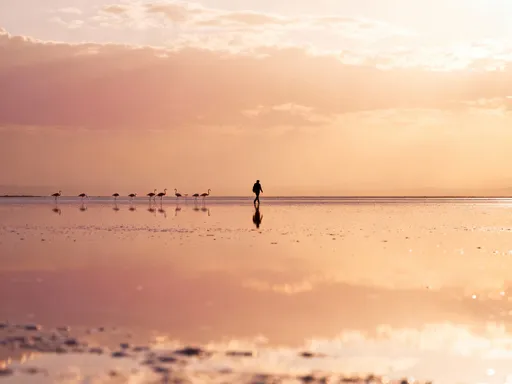
Most travelers are drawn to Salar de Uyuni by its legendary reflective surface—a phenomenon most vivid during the rainy season, from December to March, when a thin layer of water transforms the salt crust into a colossal natural mirror. Photographers flock here to capture surreal images where figures appear to float in the sky, and the boundary between ground and heavens vanishes. While this optical marvel is undeniably captivating, it represents only one facet of a much larger and more complex ecosystem.
The Salar is not just a geological curiosity; it is a living, protected environment. Designated as a Ramsar site in 2002, it is recognized for its international importance as a wetland ecosystem. Beneath the blinding white surface lies a briny aquifer rich in lithium, magnesium, and potassium—minerals that have drawn increasing global attention due to the growing demand for electric vehicle batteries. However, this economic potential comes with environmental risks, and Bolivia has implemented strict controls on mining and extraction within the protected zone to prevent irreversible damage.
The microbial life within the salt flats is another hidden marvel. Extremophiles—microorganisms adapted to high salinity and intense UV radiation—thrive in the brine pools scattered across the Salar. These tiny organisms contribute to the region’s ecological balance and are of growing interest to scientists studying life in extreme environments, with implications for astrobiology and climate resilience. Their presence underscores the fact that even in what appears to be a barren white desert, life persists in delicate, interconnected forms.
Tourism, too, is carefully managed. Visitors must obtain permits and travel with licensed guides through authorized agencies. Group sizes are limited, and routes are standardized to prevent off-road driving that could damage the salt crust or disturb wildlife. Littering is strictly prohibited, and waste must be carried out. These rules are not mere formalities—they are essential safeguards. The salt crust, while seemingly solid, is fragile. Vehicle tracks and foot traffic in unauthorized areas can cause long-term erosion and disrupt the natural water flow that sustains the mirror effect during the rainy season.
Respecting these regulations is not only a legal obligation but a moral one. The Salar de Uyuni is not a theme park or an Instagram backdrop—it is a dynamic, sensitive ecosystem that requires stewardship. By following guidelines, travelers help ensure that future generations can experience the same awe-inspiring beauty. The mirror may reflect the sky, but it also reflects our responsibility: to witness, to appreciate, and to protect.
Into the Eduardo Avaroa Reserve: Where Reality Bends
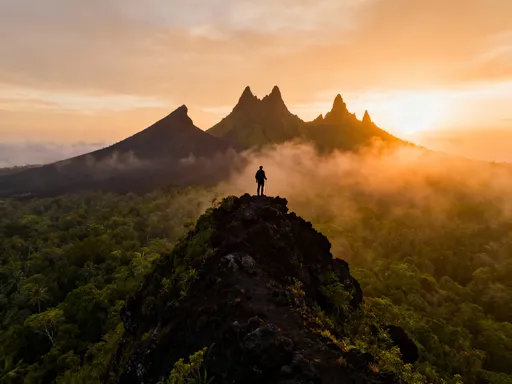
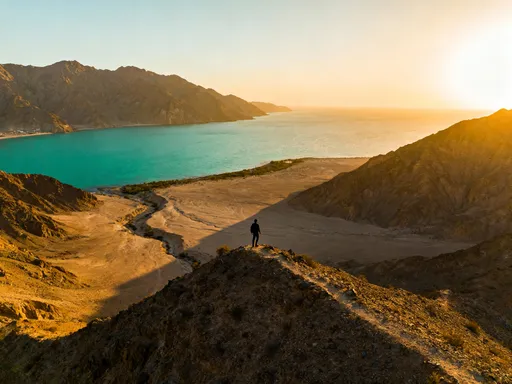
South of the salt flats, the landscape undergoes a dramatic transformation as travelers enter the Eduardo Avaroa Andean Fauna National Reserve. Spanning more than 7,000 square kilometers, this protected area is Bolivia’s most visited national park and one of the most visually striking regions on Earth. Here, the rules of color and geography seem to dissolve. Lagoons glow in shades of red, green, and turquoise. Volcanoes loom like sentinels. Steam rises from the earth in ghostly plumes. The air is thin, the silence profound, and the sense of isolation absolute.
The journey into the reserve typically begins with a long, bumpy drive across stony plains and high-altitude passes exceeding 4,800 meters. Along the way, travelers encounter some of the region’s most iconic sites. Laguna Colorada, or the Red Lagoon, is perhaps the most famous. Its striking crimson hue comes from sediments and pigmented algae that thrive in the mineral-rich waters. Thousands of James’s flamingos—recognized by their pale pink plumage and distinctive gray legs—gather here to feed on microscopic organisms, creating a breathtaking contrast against the red water and white borax islands.
Nearby, Laguna Verde presents another surreal spectacle. Nestled at the base of the active Licancabur Volcano, this emerald-colored lake owes its vivid tint to high concentrations of arsenic, magnesium, and calcium, along with suspended mineral particles and microbial activity. The color shifts with the light and weather, sometimes appearing almost neon against the backdrop of snow-dusted peaks. Despite its beauty, the water is highly toxic and not safe for consumption—a reminder that this landscape, while stunning, is also unforgiving.
Other lagoons, such as Laguna Blanca and Laguna Honda, offer quieter, more secluded experiences. These high-altitude lakes provide critical habitat for Andean geese, giant coots, and silvery grebes. The terrain between them is equally dramatic: vast plains dotted with cacti-covered islands, fossilized coral formations, and rock sculptures shaped by wind and time. The reserve is not just a collection of scenic stops—it is a continuous, evolving ecosystem shaped by volcanic forces, glacial history, and extreme climatic conditions.
Because of its fragile environment, access to the reserve is tightly controlled. Tour groups must follow approved itineraries, stay within designated viewing areas, and avoid disturbing wildlife. Camping is restricted to official sites, and open fires are banned. These measures are essential to prevent degradation in an area where recovery from damage can take decades, if not centuries. The Eduardo Avaroa Reserve is not a place to conquer or dominate—it is a place to observe, to learn, and to tread lightly.
Wildlife in the Extremes: Survival at 4,800 Meters
Life in the Eduardo Avaroa Reserve is a testament to adaptation. At altitudes where oxygen levels are less than half of those at sea level, and temperatures can swing from freezing at night to intense solar heat during the day, survival demands extraordinary resilience. Yet, a surprising variety of species not only endure but thrive in this harsh environment. From elegant flamingos wading through icy lagoons to elusive Andean foxes prowling the high plains, the region supports a unique assemblage of high-altitude wildlife.
The three species of flamingos found here—James’s, Andean, and Chilean—are among the most iconic residents. Each has evolved specialized traits to exploit the nutrient-rich but challenging conditions of the saline lakes. Their long legs allow them to wade into deep waters, while their uniquely shaped beaks filter tiny algae and brine shrimp from the brine. James’s flamingos, the rarest of the three, are particularly adapted to high-altitude lakes and are considered near-threatened due to habitat loss and disturbance. Conservation efforts within the reserve focus on minimizing human intrusion during breeding seasons and protecting nesting sites from trampling and pollution.
Other mammals, such as the vicuña, a wild relative of the alpaca, graze on sparse grasses in the high plains. Once hunted nearly to extinction for their fine wool, vicuñas have made a remarkable comeback thanks to strict protection and community-based conservation programs. Today, they are commonly seen in herds, their slender frames and golden fleece standing out against the gray and ochre landscape. The Andean fox, or culpeo, is another resilient inhabitant, often spotted at dawn or dusk as it searches for rodents and birds across the rocky terrain.
Birdlife is particularly diverse, with over 80 species recorded in the reserve. High-altitude specialists like the Andean condor, one of the largest flying birds in the world, glide on thermal updrafts above the volcanoes. Ground-dwelling species such as the Andean goose and the puna plover have developed thick down and efficient respiratory systems to cope with the cold and low oxygen. Even insects, including hardy beetles and wingless flies, play vital roles in this ecosystem, contributing to nutrient cycling and serving as food sources for larger animals.
Climate change poses a growing threat to these adaptations. Rising temperatures, shifting precipitation patterns, and glacial retreat could alter the delicate balance of water chemistry in the lagoons, affecting microbial life and, by extension, the entire food web. Conservationists are monitoring these changes closely, using satellite data and field surveys to track water levels, species distribution, and habitat health. Protecting this wildlife is not just about preserving individual species—it is about maintaining the integrity of an entire high-altitude ecosystem that has evolved over millennia.
Volcanoes, Geysers, and Thermal Surprises
The Eduardo Avaroa Reserve sits atop one of the most geologically active regions in the Andes, where the collision of tectonic plates fuels volcanic and geothermal activity. This dynamic foundation shapes the landscape in dramatic ways, from towering stratovolcanoes to bubbling mud pots and roaring geysers. Among the most awe-inspiring sites is Sol de Mañana, a high-altitude geyser field located near the border with Chile. At over 4,900 meters, it is one of the highest geyser basins in the world.
At dawn, the scene is almost otherworldly. Steam erupts violently from vents in the ground, shooting plumes of hot vapor up to 25 meters into the cold air. The ground trembles faintly beneath visitors’ feet, and the air carries the sharp scent of sulfur. Boiling mud pools churn in vivid hues of gray, orange, and yellow, colored by mineral deposits and thermophilic bacteria. This is not a gentle hot spring—it is raw geothermal power, a reminder that the Earth’s interior is still very much alive.
Sol de Mañana is part of a larger volcanic arc that includes active peaks like Uturuncu and Lascar. These mountains are monitored by geologists for signs of unrest, as even minor shifts could have regional implications. While eruptions are rare, the area remains scientifically significant for understanding volcanic systems and geothermal energy potential. Researchers from Bolivia and international institutions conduct regular studies on gas emissions, ground deformation, and seismic activity to assess long-term risks and ecological impacts.
Nearby, more tranquil thermal springs offer a welcome respite for weary travelers. Unlike the violent geysers, these natural pools are fed by underground aquifers heated by volcanic activity. Bathing in them—while permitted in designated areas—must be done cautiously. Water temperatures can vary drastically, and some pools contain high levels of minerals that may irritate the skin. Visitors are advised to enter slowly, avoid submerging the head, and limit exposure time, especially at such high altitudes where physical strain is already elevated.
These geothermal features are not just tourist attractions—they are integral to the region’s ecological and hydrological systems. They contribute to groundwater recharge, support unique microbial communities, and influence local microclimates. Their protection is therefore essential. Unauthorized access, littering, or attempts to collect samples can disrupt delicate balances and pose safety hazards. By respecting boundaries and following guide instructions, visitors help ensure that these natural wonders remain intact for both scientific study and responsible enjoyment.
Traveling Responsibly: Rules That Protect the Fragile
As tourism to the Uyuni region has grown, so too has the need for strict environmental protection. What was once a remote, seldom-visited corner of Bolivia now welcomes tens of thousands of visitors each year. While this brings economic benefits to local communities, it also increases pressure on an ecosystem that cannot withstand careless behavior. To mitigate harm, the Bolivian government, in collaboration with conservation organizations, has implemented a comprehensive set of regulations designed to preserve the region’s natural integrity.
All travelers entering the Eduardo Avaroa Reserve must purchase an entrance permit and travel with a licensed guide from an authorized tour operator. This ensures that visitors follow approved routes, receive safety briefings, and are educated about local rules and ecology. Groups are limited in size, and overnight stays are restricted to designated campsites equipped with basic facilities. Open fires, alcohol consumption, and loud noises are prohibited to prevent wildfires and minimize disturbance to wildlife.
One of the most important rules is staying on marked paths. The soil in high-altitude deserts is fragile, and vehicle tracks or foot traffic off designated trails can cause long-term erosion. In areas with cryptobiotic crusts—communities of mosses, lichens, and cyanobacteria that stabilize the soil—damage can take decades to heal. Similarly, littering is strictly forbidden. All waste, including organic matter, must be carried out. Even biodegradable items like fruit peels decompose slowly in the cold, dry climate and can introduce non-native seeds or attract scavengers.
Drone use is another area of growing concern. While drones can capture stunning aerial footage, their noise and movement can stress wildlife, particularly nesting birds and flamingos. Many areas within the reserve now ban drone flights entirely, and those that allow them require special permits. Travelers are encouraged to use ground-level photography and to maintain a respectful distance from animals.
Responsible travel also extends to cultural sensitivity. The region is home to indigenous Aymara and Quechua communities whose ancestors have lived here for centuries. Their traditional knowledge of the land, water sources, and animal behavior contributes to conservation efforts. Visitors should respect local customs, avoid trespassing on communal lands, and support community-run enterprises such as handicraft stalls and eco-lodges. By choosing ethical tour operators and engaging with local culture respectfully, travelers become part of a sustainable model that benefits both people and nature.
Why This Journey Changes You
Traveling through the Salar de Uyuni and the Eduardo Avaroa Reserve is not merely a sightseeing excursion—it is a transformative experience. The vastness of the landscape, the silence of the high plains, and the surreal beauty of the lagoons create a profound sense of awe. There is something humbling about standing at the edge of a red lake beneath a smoking volcano, knowing that you are witnessing a place shaped by forces far greater than human time. This journey strips away the noise of daily life and replaces it with a deeper awareness of nature’s power and fragility.
Many visitors report a shift in perspective after their time in this remote region. The simplicity of life on the altiplano—limited resources, extreme conditions, interdependence—offers a mirror to modern excess. The sight of flamingos thriving in toxic lakes, or vicuñas grazing on barren slopes, inspires admiration for resilience. The knowledge that this ecosystem is protected, but still vulnerable, fosters a sense of responsibility. People return home not just with photographs, but with a renewed commitment to environmental stewardship.
These protected areas are more than national treasures—they are global heritage. They remind us that wild places still exist, untouched by roads, cities, or industry. They challenge us to rethink what progress means and to consider the value of preservation over exploitation. In an age of climate crisis and biodiversity loss, the Uyuni region stands as a testament to what can be achieved when conservation, science, and community come together.
The real reward of this journey is not just the sights, but the internal shift it provokes. It teaches stillness. It cultivates gratitude. It awakens a desire to protect what remains. As travelers, we are guests in this ancient landscape. Our footprints should be light, our respect deep, and our memories lasting. For those who venture beyond the salt, the world reveals its wild heart—and we are forever changed by the encounter.