How I Turned Luxury Buys Into Smart Investments Without the Risk
What if your next designer bag or luxury watch didn’t just feel good—but actually worked for you? I used to see high-end purchases as pure expenses until I discovered a smarter approach. By shifting my mindset and applying simple investment principles, I started treating luxury items as potential value-holders. This isn’t about get-rich-quick schemes—it’s about strategy, timing, and knowing what truly holds value over time. These aren’t speculative gambles; they’re deliberate choices grounded in market behavior, brand strength, and emotional discipline. For many women managing household finances and personal goals, the idea of blending enjoyment with long-term value is not only appealing—it’s practical. This is the story of how thoughtful luxury spending can become a quiet, steady part of a balanced financial life.
The Hidden Truth About Luxury Spending
Luxury spending is often framed as the opposite of financial prudence—a category reserved for indulgence, celebration, or impulse. Yet beneath the surface, a quiet shift has been taking place. Certain high-end items, particularly in categories like fine watches, rare handbags, and heritage jewelry, have demonstrated the ability to maintain or even grow in value over time. These are not mere accessories; they are tangible assets, often crafted with exceptional materials and meticulous attention to detail. Unlike fast fashion or disposable electronics, which lose value immediately after purchase, select luxury goods behave more like heirlooms—items that can be passed down, resold, or held as personal stores of worth.
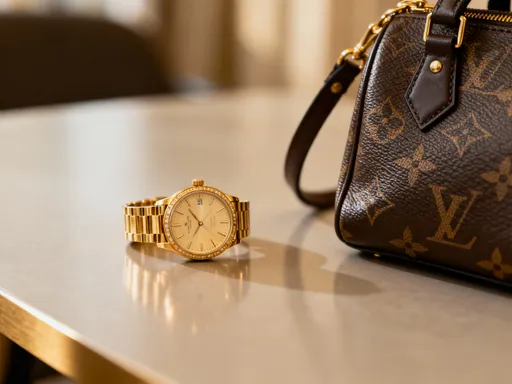
This phenomenon is rooted in both economics and psychology. On the economic side, scarcity drives value. When a brand limits production, maintains high craftsmanship standards, and sustains strong demand, the result is a product that resists depreciation. Consider the classic example of a Swiss-made mechanical watch from a storied manufacturer. Its components are engineered to last decades, its design often transcends trends, and its brand carries a legacy that resonates across generations. These factors contribute to a market where well-maintained timepieces frequently sell for more than their original retail price—especially if they are discontinued models or part of a limited release.
Psychologically, luxury goods occupy a unique space. They represent achievement, taste, and self-expression. But when approached with intention, they can also reflect financial awareness. The shift begins with redefining how we see these purchases—not as expenses to be minimized, but as potential assets to be evaluated. This doesn’t mean buying more; it means buying better. It means asking not just whether an item looks good, but whether it will still matter five, ten, or twenty years from now. For women who manage both family needs and personal aspirations, this mindset offers a way to align spending with long-term thinking.
Of course, not every luxury item qualifies. A mass-market designer bag, even with a premium label, may flood the resale market and lose value quickly. The key is selectivity. By focusing on pieces with proven staying power—those supported by brand reputation, craftsmanship, and controlled availability—it becomes possible to enjoy the emotional rewards of luxury while also building a small but meaningful layer of financial resilience.
Why Traditional Investing Alone Isn’t Enough
For decades, financial advice has centered on traditional instruments: stocks, bonds, mutual funds, and retirement accounts. These remain essential pillars of any sound financial plan. They offer growth potential, liquidity, and access to broad market performance. Yet for all their strengths, they don’t capture the full picture of wealth preservation. Market volatility, inflation, and economic uncertainty can erode purchasing power, even in well-diversified portfolios. This is where alternative assets, including select luxury goods, begin to play a valuable supporting role.
Diversification has long been hailed as the cornerstone of risk management. But true diversification goes beyond spreading money across different stock sectors or bond maturities. It also means holding different *types* of assets—those that respond differently to economic conditions. While stocks may fall during periods of high inflation, certain physical assets, including rare watches, fine art, and vintage jewelry, have historically shown resilience. These items are not tied to corporate earnings or interest rate fluctuations in the same way financial securities are. Instead, their value is driven by scarcity, cultural significance, and enduring demand.
Consider the behavior of luxury timepieces during economic downturns. While stock markets may plunge, the resale value of iconic models from established Swiss brands often remains stable—or even increases. Why? Because collectors and enthusiasts continue to seek them, and supply remains tightly controlled. Unlike digital assets or paper investments, these items are physical, tangible, and often carry emotional weight. They can’t be hacked, devalued by algorithm, or erased by a market crash. For individuals seeking stability amid uncertainty, this offers a quiet form of reassurance.
Integrating luxury assets into a financial strategy does not require large sums or expert knowledge. It begins with a simple shift: viewing a small portion of discretionary spending not as consumption, but as intentional acquisition. This isn’t about replacing retirement savings with handbags. It’s about allocating a modest, thoughtful portion of one’s budget—say, 5% to 10% of annual discretionary funds—toward items that may retain or grow in value. Over time, this approach can create a personal reserve of assets that are both enjoyable and potentially valuable, adding a layer of flexibility to one’s overall financial picture.
What Makes a Luxury Item an Investment-Grade Purchase?
Not every high-priced item deserves a place in a value-conscious portfolio. The difference between a fleeting trend and a lasting asset lies in a set of measurable, observable qualities. Investment-grade luxury goods share four core characteristics: rarity, craftsmanship, brand legacy, and consistent demand. When all four are present, the likelihood of long-term value retention increases significantly.
Rarity is perhaps the most powerful driver of value. Limited production runs, discontinued models, and special editions create natural scarcity. A handbag released in small numbers by a leading French maison, for example, becomes more desirable as availability decreases. Over time, this scarcity can drive prices upward in the secondary market. The same principle applies to watches—models produced in limited quantities for specific markets or anniversaries often command premium prices years later.
Craftsmanship ensures longevity. An item made with high-quality materials and meticulous attention to detail is more likely to remain in good condition, which directly affects resale value. A leather bag stitched by hand, lined with durable fabric, and built to withstand daily use is not only more enjoyable to own but also more likely to hold its appeal over time. Similarly, a mechanical watch with a precision movement, sapphire crystal, and water resistance offers both functional reliability and lasting beauty.
Brand legacy matters because it underpins trust and desirability. Houses with decades—or even centuries—of consistent quality and innovation tend to maintain strong followings. Their names carry weight in the marketplace, and their products are recognized across cultures. This recognition translates into sustained demand, even in uncertain economic times. A piece from a brand known for excellence is more likely to be sought after, authenticated, and valued appropriately in resale channels.
Finally, consistent demand ensures liquidity. An item may be rare and beautifully made, but if there’s no active market for it, its value remains theoretical. The best investment-grade pieces are those with a global following—items that attract collectors, enthusiasts, and fashion-forward buyers across generations. This demand is often visible in auction results, resale platform data, and waiting lists. By focusing on categories with proven market activity, buyers can feel more confident in their choices.
Timing the Market: When to Buy and When to Hold
Just as timing affects stock purchases, it plays a crucial role in luxury acquisitions. Buying at the right moment can mean the difference between overpaying and securing an asset with strong appreciation potential. The luxury market, though less volatile than financial markets, still follows cycles influenced by brand strategy, economic conditions, and cultural trends.
One of the most effective times to buy is at launch—especially for items known to sell out quickly. Many high-end brands release new models with controlled availability, creating immediate demand. Purchasing at retail price, before markups occur in the secondary market, allows buyers to enter at the lowest possible cost. This is particularly true for watches and handbags with waiting lists; those who secure early access often benefit from future price increases.
Another strategic window opens during economic downturns or brand transitions. When consumer spending slows, some luxury resellers may lower prices to move inventory. Similarly, when a brand repositions itself or shifts design direction, certain older models may become more desirable as collectibles. These moments offer opportunities to acquire high-quality pieces at favorable prices—provided the buyer can separate temporary dips from long-term decline.
Price increase announcements are also important signals. Most major luxury brands raise prices annually, sometimes by double digits. These increases apply only to new inventory, meaning items purchased before the hike instantly gain relative value. Savvy buyers often time their purchases just before expected adjustments, locking in lower prices while positioning themselves for future gains.
Equally important is knowing when *not* to sell. Patience is a key component of luxury asset management. Appreciation often takes years, not months. Selling too soon—driven by short-term needs or emotional impulses—can forfeit long-term gains. The most successful holders treat these items as long-term assets, similar to real estate or fine art, understanding that value builds over time through consistency and care.
The Resale Ecosystem: Turning Luxury Into Liquidity
One of the most common concerns about luxury assets is liquidity—how easily they can be converted into cash when needed. In the past, selling high-end items required navigating private buyers, auctions, or consignment shops, often with uncertain outcomes. Today, the landscape has changed dramatically. A mature resale ecosystem has emerged, offering transparency, security, and global reach.
Reputable online platforms now provide authentication services, market pricing data, and streamlined selling processes. These services reduce risk and increase confidence for both buyers and sellers. For example, a woman looking to sell a pre-owned designer handbag can submit it to a certified reseller, where experts verify its authenticity, condition, and provenance. Once confirmed, the item is listed with a competitive price based on recent sales data, reaching a wide audience of potential buyers.
These platforms also offer flexibility. Sellers can choose between outright sale, consignment, or trade-in options, depending on their needs. Some even provide instant valuation tools, allowing users to estimate an item’s worth before committing to a transaction. This level of accessibility makes it easier than ever to plan an exit strategy as part of the original purchase decision.
To maximize returns, preparation is essential. Items should be well-maintained, with original packaging, receipts, and care documentation when available. Cleanliness, functionality, and completeness all affect resale value. A watch with service records, for instance, commands higher trust and price than one without. Similarly, a handbag stored properly, with protective dust bags and structure intact, retains more worth.
Avoiding common pitfalls is equally important. Emotional pricing—setting prices too high due to personal attachment—can delay sales or deter buyers. Counterfeit concerns, while valid, are mitigated by using only authenticated channels. By treating the resale process as a disciplined extension of the buying strategy, owners can ensure their luxury assets remain not just enjoyable, but genuinely liquid when needed.
Risk Management: Avoiding Emotional Purchases and Hype Traps
Even the most thoughtful strategies can unravel when emotion takes control. The allure of luxury—its exclusivity, beauty, and social recognition—can easily override rational decision-making. Fear of missing out, desire for status, or the thrill of a limited release can lead to purchases that feel exciting in the moment but lack long-term value. This is where behavioral discipline becomes essential.
One of the most effective tools is a personal acquisition checklist. Before buying, ask: Is this item rare? Is it made by a brand with a strong legacy? Is there consistent demand in the resale market? Does it align with my long-term financial goals? Answering these questions objectively helps separate emotional wants from strategic investments. It transforms each purchase from an impulse into a decision.
Setting clear rules also reduces risk. For example, limiting purchases to one high-value item per year, or requiring a waiting period of 30 days before finalizing a buy, introduces space for reflection. This pause allows emotions to settle and logic to return. It also provides time to research market trends, compare prices, and confirm authenticity.
Another key practice is budgeting specifically for luxury acquisitions. Rather than dipping into emergency funds or retirement savings, allocate a defined amount from discretionary income. This ensures that spending remains responsible and aligned with overall financial health. When the budget is reached, no further purchases are made—regardless of temptation.
Finally, it’s important to recognize that not every luxury item needs to appreciate. Some purchases are purely for enjoyment, and that’s perfectly valid. The goal is not to eliminate pleasure, but to create balance. By reserving the “investment-grade” label for only the most promising pieces, buyers protect themselves from hype-driven losses and build a collection that reflects both taste and wisdom.
Building a Balanced Approach: Where Luxury Fits in Your Financial Life
Luxury investing should never come at the expense of financial fundamentals. Emergency savings, retirement planning, debt reduction, and insurance must always take priority. These are the foundation of security and peace of mind. Within that framework, however, a small, intentional allocation to high-value luxury items can play a meaningful supporting role.
Think of it as a personal treasury—a collection of assets that combine beauty, utility, and potential value. Unlike stocks or real estate, these items can be enjoyed daily, worn, used, and shared with family. They offer immediate satisfaction while also serving as long-term holdings. Over time, they may appreciate, providing future liquidity or becoming cherished heirlooms.
The key is proportion. For most households, this category should represent a modest portion of discretionary spending—something that enhances life without creating strain. It’s not about chasing returns or trying to outsmart the market. It’s about making deliberate choices that reflect both personal values and financial awareness.
For women who manage budgets, plan for family needs, and seek personal fulfillment, this approach offers a rare blend: the joy of ownership and the quiet confidence of foresight. It turns spending into a form of stewardship—caring for assets that matter, today and tomorrow. In a world of constant financial noise, this quiet strategy stands apart: not flashy, not risky, but deeply thoughtful. And in the end, that’s what true wealth looks like—not just numbers in an account, but a life well-managed, well-lived, and well-prepared.